

Losing weight can be difficult when hunger, metabolism, hormones, stress, or low energy seem to work against your efforts. Medical weight loss looks beyond willpower to identify factors that may be making weight management harder. Personalized services can give you medical guidance, appropriate treatment options, and ongoing support to help you work toward sustainable progress.
At Your Formula, Dr. Jonathan Zaidan, MD, and Suzana Marku, NP-C, provide personalized, evidence-based medical weight management. With telehealth services available to eligible patients throughout Michigan and Florida, Your Formula combines comprehensive evaluation, laboratory review when appropriate, prescription treatment when clinically indicated, and continued provider support. Your Formula’s current program specifically focuses on metabolic health, appetite regulation, and long-term wellness.

Prescription Weight Loss Medications We May Offer
Depending on your health history, goals, and clinical evaluation, Your Formula may consider prescription options such as:

Semaglutide: A GLP-1-based medication that may be incorporated into a medically supervised weight-management plan for eligible patients.
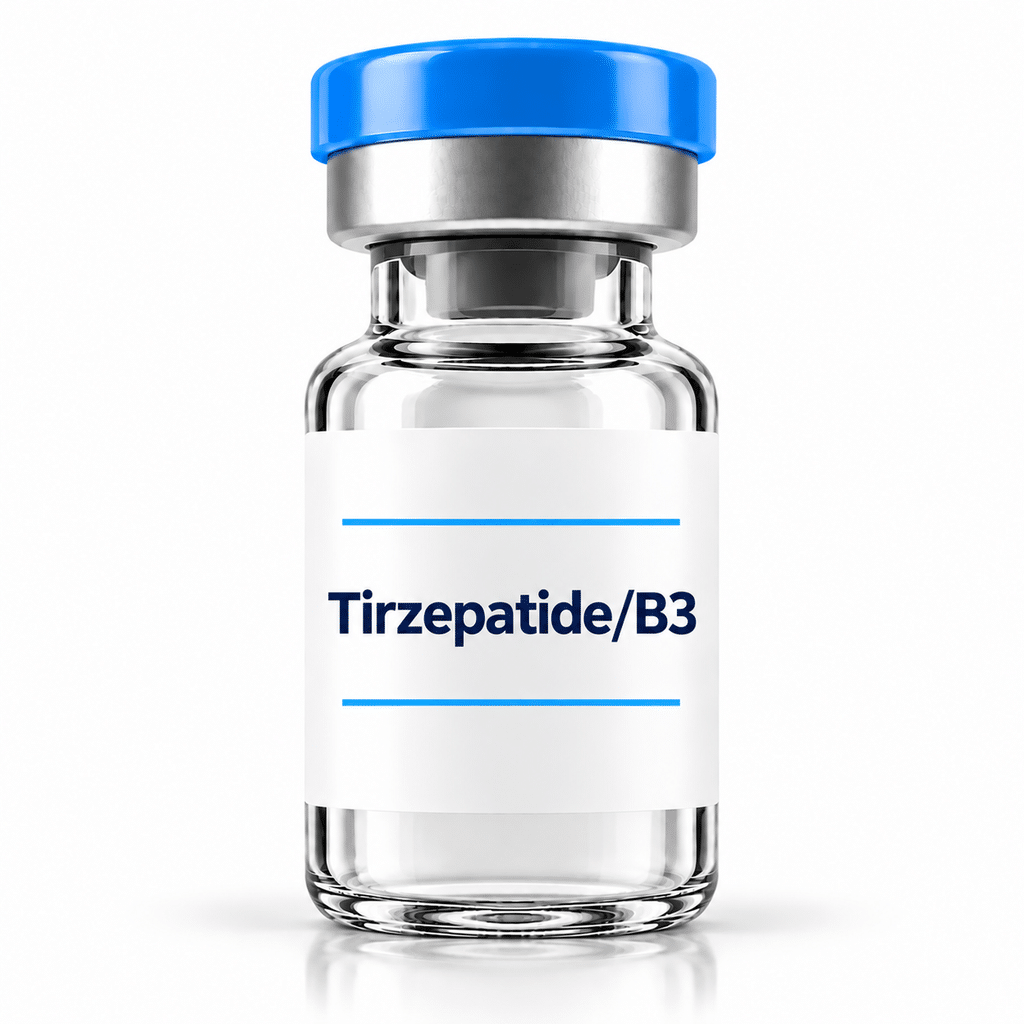
Tirzepatide: A medication that acts on both GIP and GLP-1 pathways and may be considered as part of individualized medical weight management.

Phentermine: A prescription weight-management medication that may be considered for certain patients when clinically appropriate.
Your provider will determine whether medication is appropriate for you and which treatment option best fits your individual health needs, goals, and risk factors.
Potential Benefits of GLP-1-Based Weight Management
For appropriately selected patients, prescription weight-management medication may support:
- Reduced hunger and appetite
- Improved feelings of fullness
- More manageable food cravings
- Meaningful weight reduction
- Long-term weight-management efforts
- Improvements in certain obesity-related health risks
Results vary, and medication response is individualized. Ongoing medical supervision is important because treatment may require dose adjustments, monitoring, or changes based on effectiveness and side effects.

What Is Medical Weight Loss?
Medical weight loss is a clinician-guided approach to managing weight that considers your health, symptoms, habits, and underlying factors rather than focusing only on calories or the number on the scale.
Your Formula may evaluate areas such as metabolic health, insulin sensitivity, hunger and fullness signals, hormonal regulation, energy expenditure, stress, sleep, and lifestyle behaviors.
The goal is to create a plan you can realistically follow while supporting your broader health and well-being.
Factors That May Make Weight Loss More Difficult
Weight regulation is complex, and several factors can influence how hungry you feel, how your body uses energy, and how easily your weight changes.
Metabolic Health
Metabolism influences how your body uses and stores energy. Changes in metabolic health may affect energy levels, weight regulation, and overall wellness.
Insulin Sensitivity
Reduced insulin sensitivity can affect blood sugar regulation and energy storage. It may also be associated with increased hunger, cravings, and fatigue.
Hunger and Satiety Signals
Your body uses complex signals to tell you when you are hungry and when you have had enough to eat. When appetite regulation is disrupted, cravings or difficulty feeling satisfied may make weight management more challenging.
Hormonal Regulation
Hormones influence appetite, sleep, body composition, energy, and metabolism. Hormonal changes may therefore be part of the weight-management picture for some patients.
Stress, Sleep, and Lifestyle
Chronic stress, poor sleep, nutrition, physical activity, hydration, and other everyday habits can all affect long-term weight management. Your treatment plan may address these factors alongside medical therapy.
Can GLP-1 Medications Help With Weight Loss?
GLP-1-based medications may be an option for some patients who meet medical criteria for prescription weight management. These medications work on pathways involved in appetite and food intake, which may help some people feel satisfied with less food and better manage hunger. Semaglutide is a GLP-1-based medication, while tirzepatide acts on both GIP and GLP-1 pathways.
Medication is not appropriate for everyone, and the specific medication chosen depends on your health history, current medications, treatment goals, potential risks, and clinical evaluation. In addition to GLP-1-based treatment, Your Formula may consider other prescription weight-management medications, including phentermine, when clinically appropriate.
Prescription medication is meant to complement—not replace—healthy nutrition, physical activity, and sustainable lifestyle changes. Weight-management medications generally work best as part of an individualized, medically supervised plan.
Your Personalized Weight Management Plan
Your Formula begins with a detailed digital intake and evaluation with a licensed medical provider. Laboratory testing may be ordered when clinically appropriate to better understand metabolic, hormonal, or other health factors that could be contributing to weight changes.
Treatment plans are tailored to the individual and may include:
- Prescription weight-management medications such as semaglutide, tirzepatide, or phentermine when clinically appropriate
- Targeted supplementation
- Nutrition and lifestyle guidance
- Metabolic wellness support
- Strategies for hunger and appetite regulation
- Ongoing provider monitoring and treatment adjustments
Your Formula’s medical weight-management model combines prescription treatment when appropriate with individualized lifestyle support and continued follow-up based on clinical assessment and patient response.
What Does Ongoing Weight Loss Care Involve?
Weight management does not end when medication is prescribed. Follow-up visits allow your care team to review your progress, discuss how you are feeling, monitor treatment response, and make adjustments when needed.
Your Formula currently offers an initial prescribing-provider visit for $125, prescribing-provider follow-ups for $75, and registered nurse follow-ups for $50.
This ongoing relationship can be especially important with prescription weight-management medications, which require appropriate medical oversight.
Why Choose Your Formula for Medical Weight Loss
Sustainable weight loss starts by looking beyond the scale. Your Formula, founded by Dr. Jonathan Zaidan and Suzana Marku, NP-C, uses a clinician-led model designed to uncover factors that may be affecting metabolism, appetite, energy, and weight. Instead of handing every patient the same diet or medication, the practice combines detailed intake information, laboratory review when appropriate, medical evaluation, and an individualized treatment plan.
Your Formula also emphasizes long-term support. Providers continue to monitor your progress, evaluate what is working, and adjust what is not. The practice works with a PCAB-approved pharmacy and is LegitScript certified, supporting an accessible care experience focused on clinical integrity, safety, and individualized medical guidance.

Build Sustainable Progress With Medical Weight Loss
Book your initial consultation to meet with a licensed medical provider. Your visit includes a comprehensive evaluation, a personalized plan, and prescriptions when appropriate. Follow-up care ensures your treatment stays effective and safe.
Your Formula provides personalized medical weight loss with telehealth services available to eligible patients throughout Michigan and Florida. Call (313) 380-5779 to book a consultation and explore a weight-management plan designed around your health, goals, and long-term well-being.